Craft and Technology
Explore how Bowen's Craft and Technology department builds creative thinkers through Design and Technology, Food and Nutrition, Computing and Art.
In line with the 21st CC competencies, the Craft and Technology Department aims to develop a child to be a creative and inventive thinker. They learn to solve problems and create products using various mediums, be it food, wood, plastic or art.
As part of their learning process, students identify problems, generate ideas and test their ideas. Students are encouraged to marry function with fashion, to be pragmatic and aesthetic.
We hope for our students to be able to carry these skills through life and apply their knowledge and learning to real-world problems and situations.
Design and Technology (DNT)
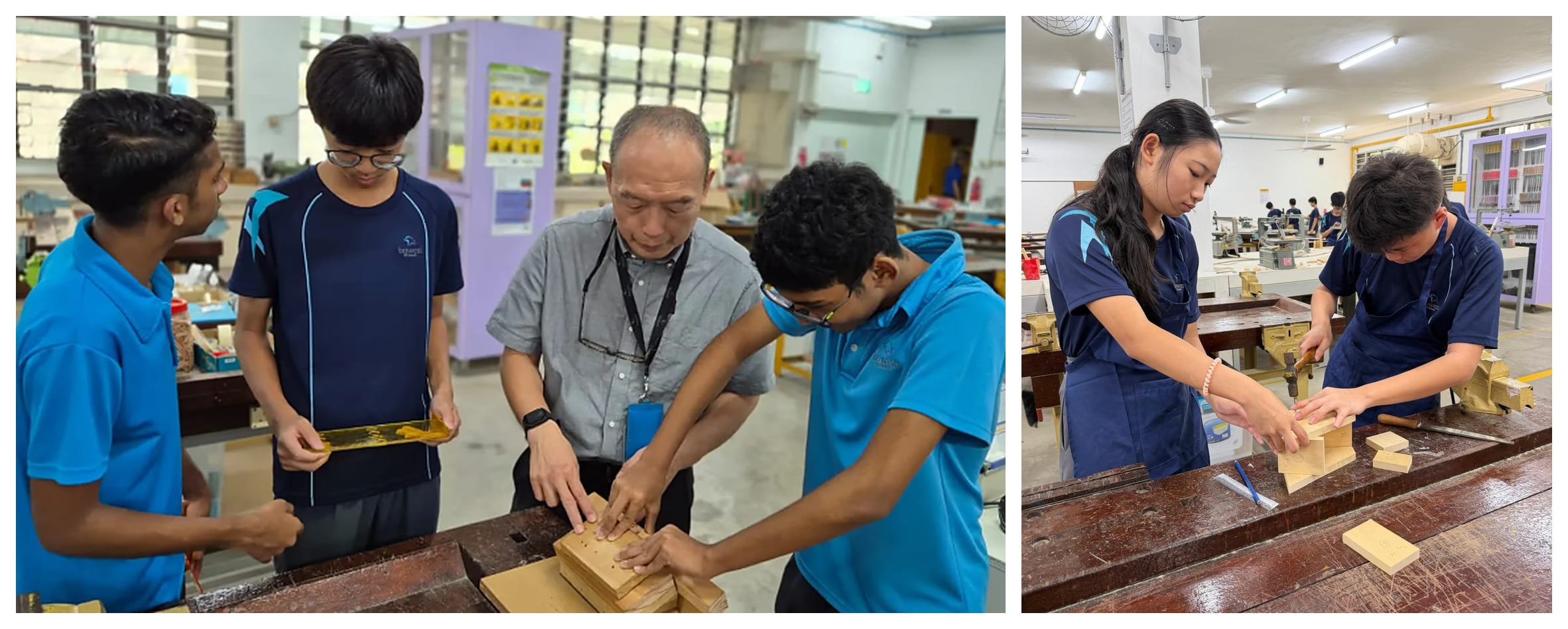
Design and Technology (D&T) seeks to enhance Bowenians’ learning experience of the subject through the incorporation of the Design Thinking Process . This is to develop the 21st century skillset of Critical and Inventive Thinking in our students’ experience of the subject.
The goal of D&T education is to nurture in our pupils a way of thinking and doing – designerly dispositions which are inherent in design practices – through designing and making.
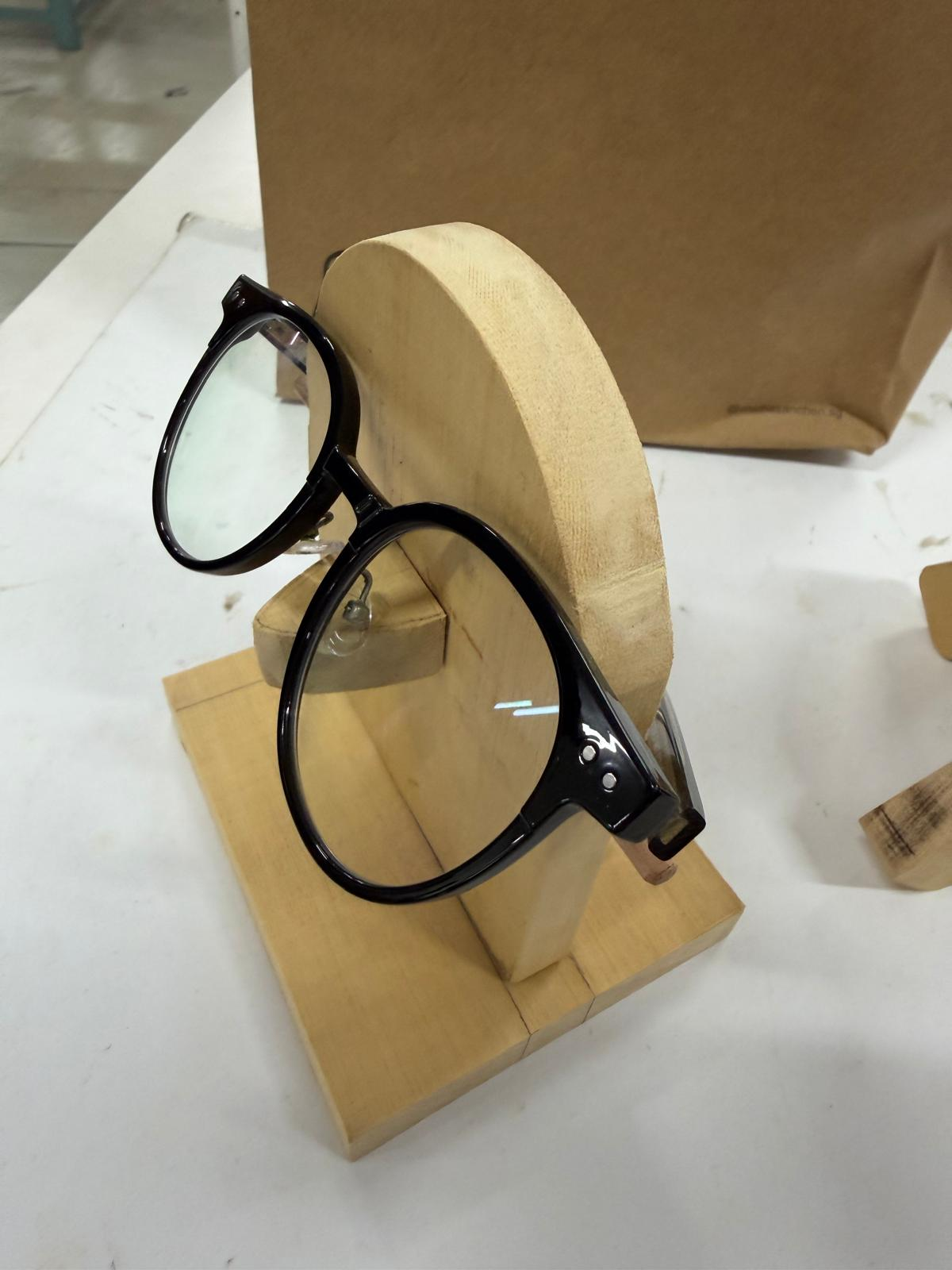
These designerly dispositions include:
embracing uncertainties and complexities
be cognizant of and resolve real-world, ill-defined problems
relentless drive to seek out how things work
use of doodling and sketching, and
3D manipulation of resistant materials as a language for visualisation, communication, and presentation.
Nutrition and Food Science
(Lower Secondary): Syllabus Objectives
The Food and Consumer Education syllabus aims to develop students who are able to:
Understand the importance of nutrition and food safety, and lead a healthier lifestyle proactively;
Apply basic culinary science in preparing healthier food to meet the needs of target groups;
Manage resources optimally and sustainably; and
Make responsible and informed decisions for themselves, their family, and their community.
Learning is organised around three strands — Nutrition and Health, Food Literacy, and Consumer Literacy and Food Science.
The syllabus also develops the following 21st Century Competencies (21CC):
Civic Literacy, Global Awareness and Cross-Cultural Skills — e.g. preparing recipes from Singapore's four main ethnic groups, and discussing food sustainability
Critical and Inventive Thinking — e.g. adapting recipes for specific dietary needs, troubleshooting cooking outcomes
Communication, Collaboration and Information Skills — e.g. teamwork during practical cooking sessions, interpreting nutrition labels
Students are given ample learning opportunities both in and out of school to apply and showcase their culinary skills:
Internal school-based competitions, such as "So You Think You Can Cook", where students compete against their peers using vegetables grown sustainably in the school's very own garden to demonstrate creativity, technique, and sustainable practices
External competitions, including a collaboration with Republic Polytechnic, where students created their very own Butter Chicken Rice Burger — a dish inspired by Singapore's unique multicultural food heritage
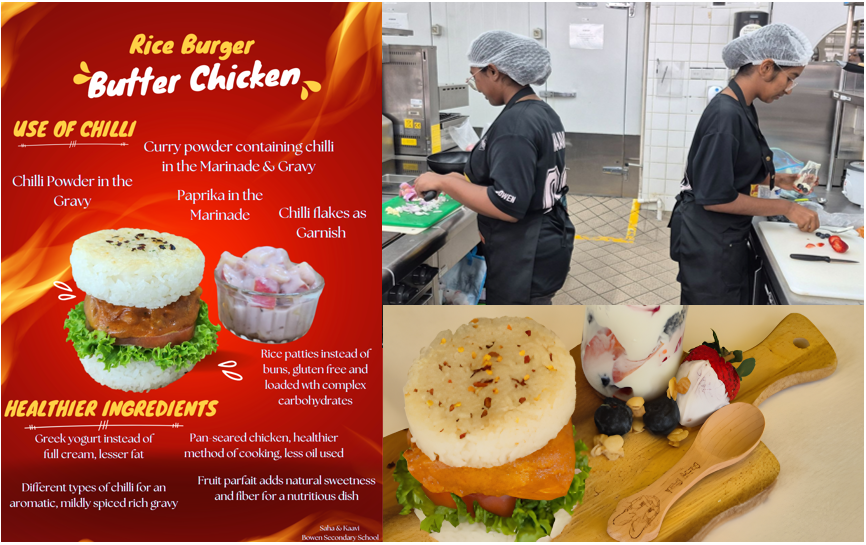
The subject is also offered at the Upper Secondary level, where students build on the foundations laid in Lower Secondary with more in-depth knowledge and deeper practical skills. This includes:
More advanced culinary techniques and food science concepts, such as a deeper understanding of ingredient functions and food preparation methods
Greater emphasis on critical evaluation of nutrition and consumer choices, preparing students to make more sophisticated, informed decisions
Opportunities to take on more complex, independent practical projects that stretch their creativity and technical competence
Coursework components that assess students' practical and analytical abilities over an extended period, culminating in national examinations
Computing
The Computing syllabus aims to prepare Bowenians to be technologically adept citizens, and to function and contribute effectively in an increasingly technologically-driven world.
The syllabus emphasises fundamental knowledge and skills, and includes the appreciation and use of several software application packages for word processing, computer drawing and image editing, multimedia presentations and documents, spreadsheet calculations and charts, game design, programming; as well as, applications on the Internet.
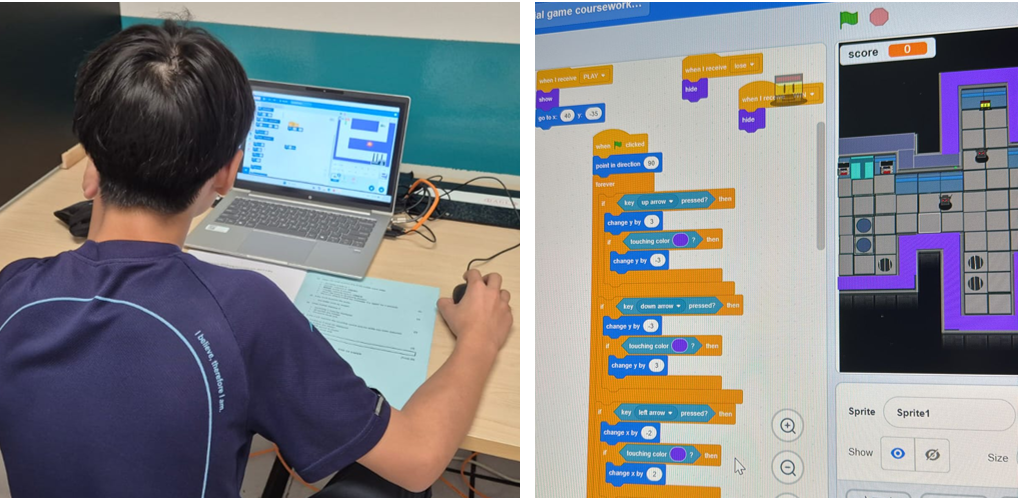
Coding is the building block for future-ready learners.
Specifically, the aims of the syllabus are to enable students to:
acquire skills in using a variety of application software and associated computer hardware to accomplish tasks, communicate, and facilitate activities
develop an awareness of how computing technology is used in the home, school, workplace and community
appreciate the role computers play in everyday life and recognise the impact computers have on society and people
develop critical thinking and problem-solving skills.
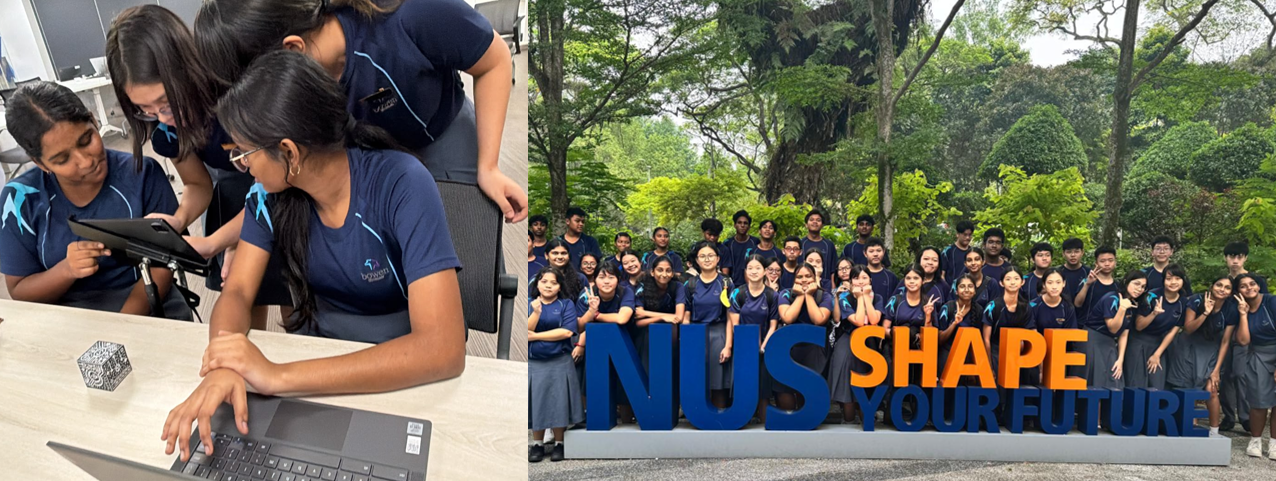
Computing students on a Learning Journey to NUS
Art
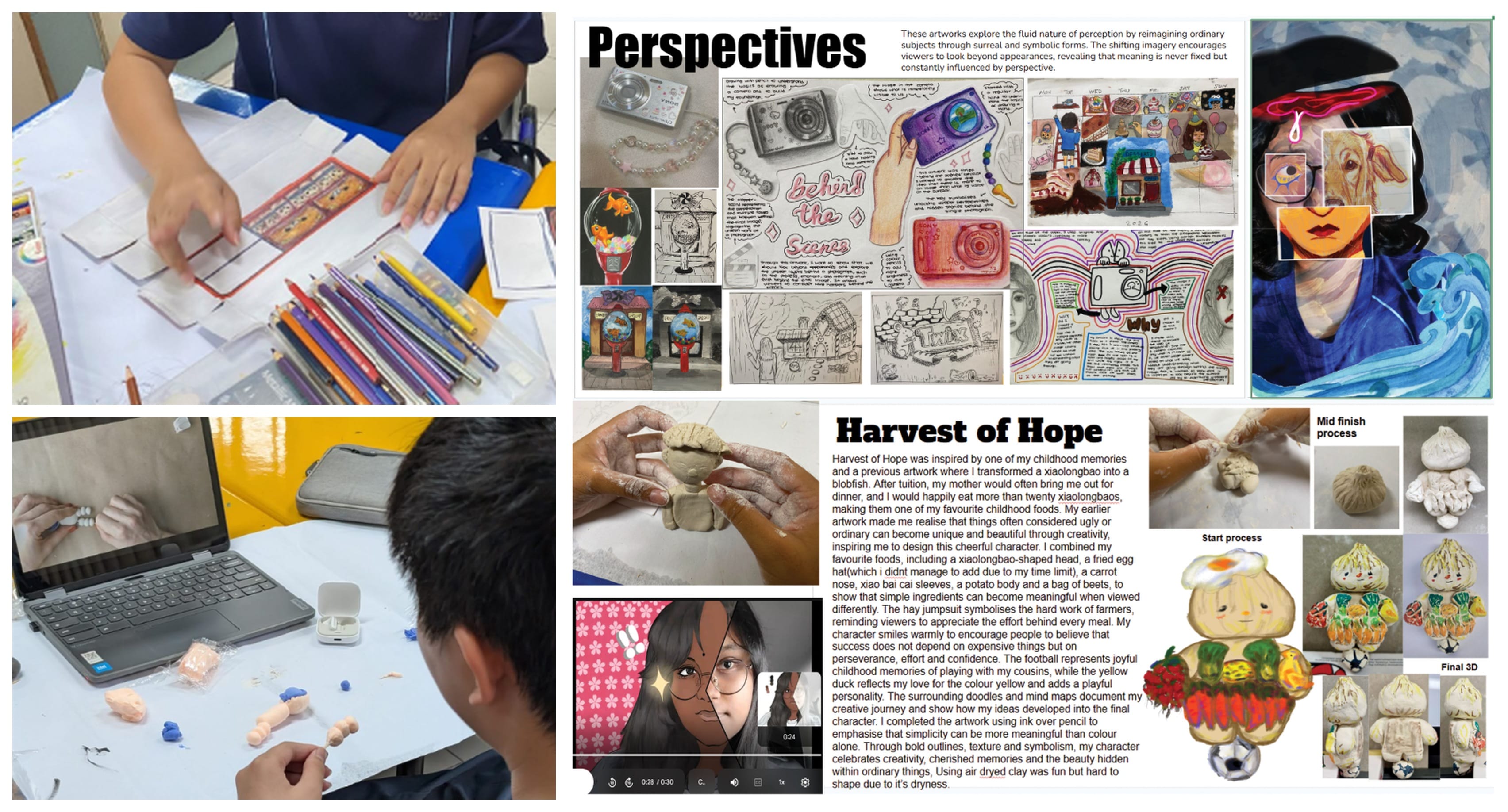
Bowen offers GCE 'O' and 'N' Level Art as electives. The Art programme is a two or three-year course starting at Secondary Three and ending with the GCE 'O' or 'N' Level examinations at the end of Secondary Four or Five.
Art in Bowen as a subject, aims to identify and groom students in the Arts while instilling in them a greater sense of appreciation for the aesthetics.
Our art curriculum is structured to provide students with the opportunities to become creative, innovative and thinking citizens of Singapore, leaders with a passion for the arts and a heart for the community and lifelong advocates of the arts.
Art assessment for lower secondary level is based on class assignments and an art examination in term 4. Secondary 3 art curriculum will be more technical, exploratory and theory-based, The assessments consist of class assignments and examinations. Secondary 4 and 5 art curriculum will be coursework based and art writing.